Key Highlights
- The Nasdaq closed at a record on September 22, 2026, despite the Fed's rate hike earlier in the month.
- The S&P 500 sat within 0.2 percent of its August high on the same day.
- Falling oil prices eased cost pressure across the market, supporting the rally.
- Consensus estimates pointed to a third consecutive quarter of strong profit growth heading into Q3 Earnings season.
New Highs Despite Higher Rates
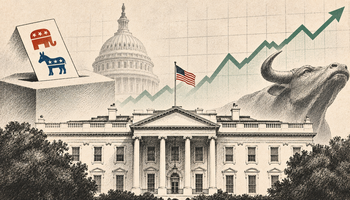
The Nasdaq closed at a record level on September 22, 2026, while the S&P 500 finished the same session within 0.2 percent of its August high, a notable outcome given that both indexes were absorbing the Federal Reserve's rate hike from earlier the same month. The ability of major indexes to reach or approach fresh highs so soon after a rate increase reflected offsetting factors that helped counterbalance the higher-rate headwind.
Falling Oil as a Tailwind
A retreat in oil prices over the same period helped ease cost pressure across the broader market, offsetting some of the negative impact that higher interest rates typically have on Equity valuations. Lower energy costs feed through to both consumer spending power and corporate input costs, giving the market a tangible offsetting tailwind even as the Fed's policy rate moved higher.
A Strong Earnings Outlook Ahead
Beyond the near-term price action, consensus estimates heading into the period pointed to a third consecutive quarter of strong corporate profit growth, providing a fundamental underpinning for the rally beyond simple relief that the rate hike had been fully priced in ahead of time. That earnings outlook, combined with the easing in oil prices, gave investors a combination of improving fundamentals and reduced cost pressure to lean on even as the higher-rate environment persisted.
Where Things Stand
The Nasdaq and S&P 500's ability to reach or approach record levels so soon after the Fed's rate hike reflects a combination of falling oil prices easing cost pressure and a strong earnings outlook heading into the next reporting season. Whether the rally can extend further will likely depend on Q3 results actually meeting the elevated growth expectations now built into consensus estimates.
FAQs
Q: Did major indexes hit new highs after the Fed's rate hike?
A:Yes. The Nasdaq closed at a record on September 22, 2026, and the S&P 500 finished the same session within 0.2 percent of its August high, despite the Fed's rate hike earlier that month.
Q: What helped offset the impact of higher rates?
A:A retreat in oil prices eased cost pressure across the market, offsetting some of the typical negative impact higher interest rates have on equity valuations.
Q: What is the earnings outlook supporting the rally?
A:Consensus estimates pointed to a third consecutive quarter of strong corporate profit growth, giving investors a fundamental basis for optimism beyond the rate decision itself.
Q: What could determine whether the rally continues?
A:Whether actual Q3 earnings results meet the elevated growth expectations already built into consensus estimates is likely to be a key factor in whether the market can extend its gains further.
Download Free Report – Explore 3 Stock Ideas & Industry Insights
Unlock 3 stock ideas and key industry insights in our free report. This information is general in nature and does not consider your personal objectives, financial situation, or needs. It is not financial advice.
All investments involve risk—consider independent advice before making any investment decisions.
View 3 Research Reports
Disclaimer:
Kalkine Equities LLC, with Delaware File Number 4697384, Foreign Qualification Registration in California File Number 202109211078, and Texas File Number 805521396, is authorized to provide general advice only. The information on https://kalkine.com/ does not take into account any of your investment objectives, financial situation or needs. You should consider the appropriateness of advice taking into account your own objectives, financial situation and needs and seek independent financial advice before making any financial decisions. The link to our Terms and Conditions and Privacy Policy has been provided for your reference. On the date of publishing the reports (mentioned on the website), employees and/or associates of Kalkine do not hold positions in any of the stocks covered on the website. These stocks can change any time and readers of the reports should not consider these stocks as advice or recommendations later.

 CA
 NZ
 UK
 AU
 IND

 US

 Share
 X (Formerly Twitter)
 Whatsapp
 Facebook
 LinkedIn
 Telegram
 Email This Article
 Copy Link
 Summarize with AI
 Chat GPT
 Perplexity


 Nov 03, 2026




 Please wait processing your request...