
 CA
 NZ
 UK
 AU
 IND

 US

 Share
 X (Formerly Twitter)
 Whatsapp
 Facebook
 LinkedIn
 Telegram
 Email This Article
 Copy Link
 Summarize with AI
 Chat GPT
 Perplexity
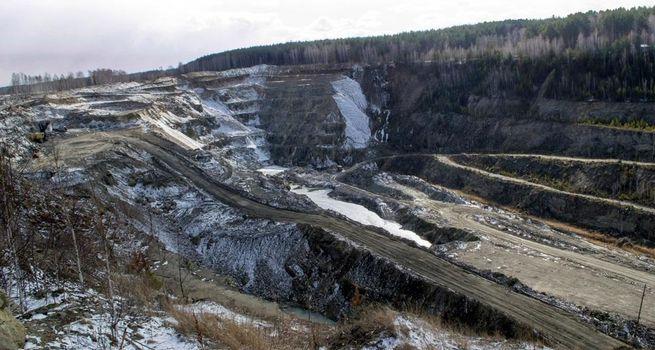
US Natural Gas Production: 109.7 Bcf/Day Through June
US dry natural gas production across the Lower 48 states averaged 109.7 billion cubic feet per day throughout June 2026, maintaining the stable output level that has characterised US natural gas supply since the high-price incentive environment of 2022–2023 prompted a sustained wave of upstream investment. This production plateau provides the supply foundation necessary to simultaneously satisfy robust domestic consumption — driven by power sector demand from AI data centers and summer cooling loads — and feed the record LNG export volumes flowing from Gulf Coast terminals.
Appalachian Basin: The Engine of US Natural Gas Supply
The Appalachian Basin — spanning Pennsylvania, West Virginia, and Ohio — remains the cornerstone of US natural gas production, with Marcellus and Utica shale formations accounting for a significant portion of national output. Operators in the region have maintained drilling activity at levels sufficient to sustain production broadly flat year-over-year, reflecting a capital discipline approach that prioritises maintaining existing output over aggressive growth in a moderating price environment. The basin's proximity to Northeast US demand centers and Atlantic LNG export terminals makes it particularly well-positioned to capture the value from record LNG demand.
Permian Associated Gas: The Growth Increment
The Permian Basin in West Texas and New Mexico is providing the marginal production growth increment in the US natural gas supply picture, as associated natural gas produced alongside Permian crude oil operations continues to increase with the basin's active oil drilling program. Permian associated gas volumes have grown substantially in recent years and are piped to Gulf Coast processing facilities and LNG export terminals, directly feeding the Golden Pass and other LNG export facilities that are driving the June 2026 record export volumes. The connection between Permian oil production economics and Gulf Coast LNG exports creates an unusually direct link between oil price levels and natural gas export supply.
Supply-Demand Balance: How 109.7 Bcf/Day Gets Consumed
US natural gas supply at 109.7 billion cubic feet per day is distributed across four major consumption categories: power generation (approximately 38 Bcf/day), industrial uses (approximately 23 Bcf/day), residential and commercial heating (approximately 12 Bcf/day), and LNG export plus pipeline exports to Mexico (approximately 30+ Bcf/day). The growing LNG export share — driven by Golden Pass's ramp-up and other terminals approaching full capacity — is the most dynamic element of the consumption picture, with the export category now representing a larger share of total demand than at any previous point in US natural gas history.
Production Outlook: Can 109.7 Bcf/Day Sustain Record Export Ambitions?
Sustaining record LNG export volumes alongside growing domestic demand will require US natural gas production to gradually increase from current plateau levels over the next 12–24 months. The price signal necessary to incentivise additional upstream investment is already present — natural gas at $3.18–$3.30 per MMBtu, combined with LNG export terminal operators offering long-term fixed-fee contracts that provide revenue certainty for producers. The most significant risk to the supply growth trajectory is a sustained decline in Permian oil activity that would reduce associated gas volumes — a scenario that would tighten the US supply-demand balance more rapidly than pure natural gas production trends suggest.
Disclaimer: The information in this article is for informational and educational purposes only and does not constitute financial, investment, or trading advice. Past performance is not indicative of future results. Please consult a qualified financial advisor before making any investment decisions.


 Nov 02, 2026





 Please wait processing your request...