
 CA
 NZ
 UK
 AU
 IND

 US

 Share
 X (Formerly Twitter)
 Whatsapp
 Facebook
 LinkedIn
 Telegram
 Email This Article
 Copy Link
 Summarize with AI
 Chat GPT
 Perplexity
Key Highlights
• Capstone Copper Corp (CSCCF) is a copper-focused producer whose fortunes are closely tied to global copper demand and pricing.
• Electrification, grid expansion, and EV-related themes are frequently cited as long-term demand drivers for copper.
• Commodity-price sensitivity, project execution, and mining costs are among the risk factors investors may weigh.
• Potential catalysts could include operational milestones, development progress, and copper-market dynamics, though outcomes remain uncertain.
Copper has become a central character in the electrification story. From power grids and renewable installations to electric vehicles and data-centre infrastructure, the red metal is repeatedly described as essential to a lower-carbon, more electrified economy. That narrative has kept copper-focused producers on investor watchlists, and Capstone Copper Corp (OTC:CSCCF) is among the names that surface in these discussions.
Company Overview
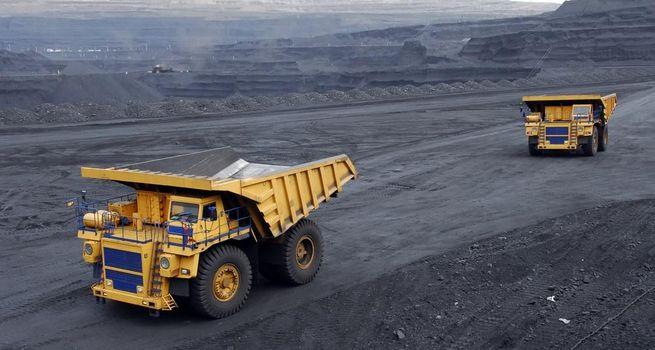
Capstone Copper Corp (CSCCF) is a copper producer with a portfolio of mining and development assets across the Americas. Copper is its primary commodity exposure, and the company’s identity is built around producing and advancing copper resources, sometimes alongside by-product metals that can accompany copper deposits.
The company was formed and expanded through combinations that brought together operating mines and growth-oriented development projects. This blend of producing assets and future-facing projects is a common structure among miners aiming to balance current cash generation with longer-term expansion potential.
Because copper deposits vary in grade, geology, and jurisdiction, a producer’s asset mix strongly influences its cost profile and growth outlook. Investors reviewing Capstone often consider how its portfolio balances established production with development-stage upside.
Why the Stock Is in Focus
Capstone Copper Corp (CSCCF) tends to draw market attention whenever copper’s long-term demand story gains momentum. Discussions about electrification, renewable-energy buildout, and EV adoption frequently point to copper as a key beneficiary, and pure-play or copper-heavy producers become natural reference points in that context.
The stock is also watched because it represents exposure to a metal widely described as structurally important yet potentially supply-constrained over the long run. When commentary highlights the challenge of bringing new copper supply online, existing producers and developers can attract additional interest. This does not imply any particular price outcome; it simply explains why the ticker appears in sector conversations about critical minerals and electrification.
Industrial Metals and Mining Sector Backdrop
The industrial metals and mining sector is shaped by several overlapping themes. Copper demand tied to electrification sits alongside lithium and rare earths for batteries, aluminium for lightweighting, uranium for nuclear power, and steel for infrastructure. Copper occupies a prominent position because it is used across nearly all electrical applications, from wiring to motors to transmission.
Many analysts frame copper as a metal where long-term demand could grow while new supply faces hurdles, including long development timelines, permitting complexity, and declining ore grades at some mature mines. That combination is often cited as supportive of the copper narrative, though commodity markets are cyclical and prices can be volatile. Global economic conditions, industrial activity, and construction trends all influence near-term demand.
For Capstone, this backdrop is central. As a copper-focused producer, its exposure aligns directly with how the copper market evolves, making sector momentum and commodity-price sensitivity especially relevant.
Financial and Operational Themes Investors May Monitor
Investors reviewing Capstone Copper Corp (CSCCF) often concentrate on operational and financial themes rather than isolated figures. Production consistency, unit costs, and the efficiency of individual mines are frequently discussed, since mining economics depend heavily on the spread between costs and copper prices.
Development execution is another focus area. For companies advancing growth projects, timelines, capital requirements, and delivery against plans can materially shape sentiment. Balance-sheet strength matters too, because mining is capital-intensive and downturns can strain producers carrying heavy debt. Capital-allocation decisions, whether directed toward development, debt management, or shareholder returns, are part of the ongoing shareholder focus.
By-product credits, where applicable, can influence net production costs, and jurisdictional factors affect operating conditions and regulatory exposure.
Commodity Exposure and Market-Position Angle
Capstone’s commodity exposure centres on copper, making the company particularly sensitive to copper-price movements. When copper prices strengthen, producer margins can benefit; when they weaken, the opposite applies. This direct sensitivity is a defining feature of the investment profile and cuts in both directions.
From a market-position standpoint, Capstone is often viewed as a copper-focused producer with both operating assets and development potential in the Americas. That positioning connects it to the electrification and critical-minerals themes that dominate current commodity discussion. However, it also faces the realities of mining: variable ore grades, cost inflation, and the challenge of executing on growth. The market-position angle is therefore about combining current production with longer-term copper leverage, rather than about any assured advantage.
Potential Catalysts
Several potential catalysts could influence how investors view Capstone Copper Corp (CSCCF), though each carries uncertainty:
• Copper-price movements driven by electrification demand and global economic conditions.
• Operational milestones, including production ramp-ups or cost improvements at key mines.
• Progress on development projects, such as expansions or new production capacity.
• Capital-allocation and balance-sheet decisions that affect financial flexibility.
• Broader critical-minerals and energy-transition policy developments.
Each of these could shape sentiment, but none guarantees a specific outcome.
Key Risks and Uncertainties
The risks warrant careful attention. Copper-price volatility is the most direct, since it flows straight to producer economics. Mining costs, including energy, labour, and materials, can rise and compress margins. Project execution carries risk, as development can face delays, cost overruns, or technical challenges.
Jurisdictional and regulatory factors can affect operations, permitting, and taxation. Balance-sheet risk is inherent in capital-intensive mining, particularly through commodity downturns. Global economic conditions can dampen industrial demand, and the pace of electrification, while widely discussed, is itself uncertain. These risk factors highlight why balanced, filings-based research is important.
What Investors May Watch Next
Going forward, investors may monitor copper-price trends, operational updates from Capstone’s mines, and progress on any development initiatives. Broader signals around electrification demand, grid investment, and critical-minerals policy may also inform sentiment.
Conclusion
Capstone Copper Corp (CSCCF) sits at the meeting point of a mature commodity and a forward-looking demand theme. Its copper focus connects it directly to electrification, grid expansion, and the critical-minerals narrative that continues to attract market attention. At the same time, copper-price volatility, mining costs, and execution risk mean the story carries meaningful uncertainty in both directions.
This article is for informational purposes only and does not constitute investment advice or a recommendation to buy, sell, or hold any security. Share prices can rise or fall, and past performance does not guarantee future results. Investors should conduct independent research and consult a licensed financial adviser before making investment decisions.


 Nov 02, 2026





 Please wait processing your request...