
 AU
AU
 UK
UK
 CA
CA
 NZ
NZ
 IND
IND

 US
US

 Share
Share
 X (Formerly Twitter)
 Whatsapp
 Facebook
 LinkedIn
 Telegram
 Email This Article
 Copy Link
 Summarize with AI
 Chat GPT
 Perplexity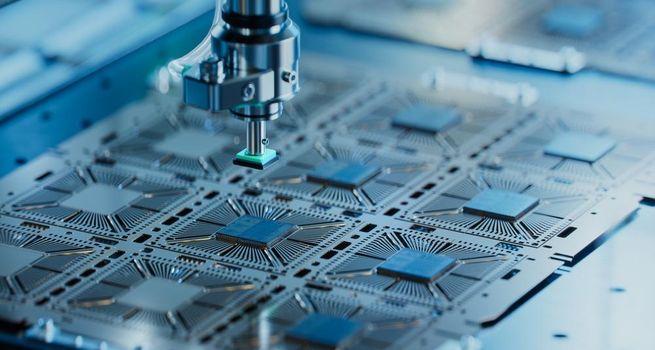
Key Highlights
- KLA’s semiconductor process-control systems remain central to advanced chip Manufacturing and Yield improvement.
- AI chip Demand and advanced packaging are strengthening the Long-term Growth outlook for KLAC stock.
- Premium valuation, export controls and semiconductor Capital-spending cycles remain key risks.
KLA Corporation (Nasdaq: KLAC) may not be a household name, but it is one of the most critical companies in the global semiconductor Supply chain, and the stock remains at the heart of the chip boom. KLA is the dominant supplier of process-control and inspection equipment—the systems chipmakers use to find defects and ensure quality as they manufacture increasingly complex semiconductors. As chips grow more advanced and essential to artificial intelligence, KLA’s tools become ever more indispensable.
For investors, the key question is whether KLA can keep growing as the semiconductor industry expands toward AI-driven demand, while navigating the cyclicality and geopolitical complexity of the chip sector. Market Participants are assessing the company’s commanding market position, its exposure to leading-edge manufacturing, its Dividend, and a valuation that reflects its quality. This article examines KLA’s Business model, the semiconductor equipment backdrop, growth drivers, dividend profile, valuation, and what to watch next for KLAC stock.
Who KLA Is and How It Makes Money
KLA Corporation supplies process control and yield management systems to the semiconductor and related electronics industries. In simple terms, KLA makes the equipment that inspects and measures chips during manufacturing to detect defects and ensure each step of the production process is working correctly. As semiconductors are built through hundreds of intricate steps, even tiny flaws can ruin a chip, so the ability to find and analyze defects is essential to manufacturing yield—the percentage of usable chips produced.
KLA holds a dominant share of the process-control market, a specialized and high-value niche within semiconductor equipment. Its systems combine sophisticated optics, electron-beam technology, and software and Data Analytics. Beyond selling equipment, KLA generates a substantial and growing stream of service Revenue from maintaining, upgrading, and supporting its large installed base of tools at chip fabs around the world. This recurring service revenue adds stability to an otherwise cyclical business.
The company’s moat is built on technological Leadership, deep customer relationships, and the high stakes of yield: chipmakers cannot afford to compromise on the quality control that protects their expensive manufacturing investments. This makes KLA’s tools mission-critical and gives the company strong pricing power and customer loyalty.
The Semiconductor Equipment Sector Backdrop
KLA sits within the semiconductor capital-equipment theme, supplying the picks and shovels of the chip industry. This sector is powerfully cyclical—rising and falling with chip demand, fab construction, and capital-spending cycles—but it is also riding a structural growth wave driven by the proliferation of semiconductors in everything from data centers to cars to consumer devices. The most important current driver is artificial intelligence, which requires enormous quantities of advanced chips and the cutting-edge manufacturing that produces them.
Several sector themes converge in KLA’s favor. The push to leading-edge manufacturing—smaller, more complex chips—increases the number and difficulty of process steps, raising demand for inspection and control. Advanced packaging, which combines multiple chips into sophisticated systems for AI, creates new inspection needs. And the global drive to build more chip-manufacturing capacity, supported by government incentives in multiple regions, expands the installed base of equipment. The key question for the sector is how durable AI-driven demand will be and how the cycle plays out, but the long-term trajectory of rising chip complexity favors process-control leaders like KLA.
Geopolitics is an important sector Factor. Export controls restricting the sale of advanced equipment to certain markets affect equipment makers, and the reshoring of chip manufacturing reshapes where demand arises. Investors may watch how these dynamics influence KLA’s addressable market.
Key Growth Drivers for KLAC Stock
The first driver is AI and leading-edge demand. The race to build advanced chips for artificial intelligence is driving heavy Investment in cutting-edge manufacturing, where process control is most essential. As chips become more complex, the value of KLA’s inspection and metrology tools per wafer tends to rise, supporting growth even beyond raw industry Volume.
The second driver is advanced packaging. The shift toward combining multiple chips into integrated packages—critical for AI accelerators and high-performance computing—creates new and growing demand for inspection and control at the packaging stage, a market where KLA is expanding its presence.
The third driver is recurring service revenue. KLA’s large and growing installed base generates steady service and upgrade revenue, which provides stability and partially offsets the cyclicality of equipment sales. This recurring stream is an important and underappreciated part of the investment case.
The fourth driver is capacity expansion. Global investment in new chip fabs, supported by government incentives across multiple regions, expands the long-term demand for KLA’s equipment as new factories are built and equipped.
KLAC Dividend Profile: Growing Returns From a Cyclical Leader
KLA has built a strong record of returning capital to shareholders through both a growing dividend and significant share Buybacks. The company has increased its dividend consistently over the years, supported by strong free Cash Flow, and has used buybacks to enhance per-share metrics. For investors, KLA offers a relatively rare combination in semiconductors: exposure to a high-growth, high-Margin equipment leader alongside a reliable and rising dividend.
Dividend reliability rests on KLA’s strong margins and cash generation, bolstered by its recurring service revenue, which adds stability across cycles. The Payout Ratio has generally left ample room for both dividend growth and buybacks. The key question on payout sustainability is how the company’s cash flow holds up through semiconductor downturns; because process control is essential and service revenue is recurring, KLA’s cash generation tends to be more resilient than that of some peers. Market participants may watch free cash flow, the payout ratio, and the balance between dividends and buybacks as signals of dividend health. The dividend growth rate has historically been attractive, reflecting management’s confidence in long-term demand.
Valuation: Premium for Process-Control Dominance
KLA typically trades at a premium valuation relative to the broader market, reflecting its dominant market position, high margins, strong returns on capital, and exposure to secular chip-demand growth. The bullish view is that this premium is justified by KLA’s near-Monopoly in process control, its essential role in advanced manufacturing, and the structural tailwinds from AI and rising chip complexity. As the indispensable quality-control layer of the chip industry, KLA arguably deserves a quality premium.
The bearish view is that semiconductor equipment is cyclical, and a premium multiple can compress sharply in a downturn or if AI-driven demand cools. Investors weigh the multiple against the stage of the chip cycle and the durability of AI investment. The key question is whether the structural growth in chip complexity and AI demand can sustain KLA’s premium through cycles, or whether cyclical risks Warrant caution at elevated valuations.
Earnings Outlook and What Drives the Numbers
KLA’s earnings are driven by semiconductor capital spending, the mix of leading-edge versus mature-node demand, advanced-packaging investment, service revenue growth, and gross margins. Because process control becomes more valuable as chips grow more complex, KLA can grow its revenue per wafer even when overall industry volumes are flat. Export controls and geopolitical factors can affect the addressable market. Service revenue provides a stable base, while equipment sales drive the cyclical swings.
The narrative investors want to see is sustained capital spending on leading-edge and advanced-packaging capacity, growing service revenue, strong margins, and continued AI-driven demand. Investors may watch chipmakers’ capital-expenditure plans, KLA’s revenue guidance, service revenue growth, and commentary on leading-edge and packaging demand as the most important indicators.
Bullish View
The bullish case for KLAC stock rests on dominance, secular growth, and quality. KLA is the clear leader in semiconductor process control, an essential and high-value niche that grows more important as chips become more complex. The AI boom and advanced packaging are powerful structural tailwinds, while government-backed fab construction expands the long-term market. KLA’s recurring service revenue adds stability, its margins are among the best in the industry, and it returns substantial cash through a growing dividend and buybacks. Bulls argue that KLA is one of the highest-quality ways to invest in the semiconductor super-cycle, deserving of its premium valuation.
Bearish View
The bearish case emphasizes cyclicality and valuation risk. Semiconductor equipment demand can fall sharply during industry downturns, and a premium multiple leaves room for significant downside if the cycle turns or AI-driven spending disappoints. Export controls and geopolitical tensions could restrict KLA’s addressable market. Customer concentration among a small number of large chipmakers adds risk. Bears caution that buying a cyclical equipment leader at a premium valuation near a demand peak can be risky, and that any cooling of the AI investment wave could pressure both earnings and the multiple.
Why It Matters
KLA matters because it is a critical enabler of the entire semiconductor industry and a key barometer of chip-manufacturing investment. Without process control, chipmakers cannot achieve the yields needed to produce advanced semiconductors economically. KLA’s results reveal how aggressively the industry is investing in leading-edge and advanced-packaging capacity—an essential signal for the AI hardware buildout. As a dominant, high-margin equipment leader, KLA’s performance offers insight into the health and direction of the chip cycle, making it relevant to anyone tracking semiconductors and AI infrastructure.
What Investors Should Watch Next
Key signals include semiconductor capital-spending trends and chipmakers’ fab investment plans; demand for leading-edge manufacturing and advanced packaging, where KLA’s tools are most valuable; service revenue growth, which provides stability; gross margins and revenue guidance; export-control developments that affect the addressable market; customer concentration and order trends; and the broader trajectory of AI-driven chip demand. Management commentary on the chip cycle and on advanced packaging is especially valuable for gauging the next phase of growth.
Risks to Watch
Principal risks for KLA include the cyclicality of semiconductor capital spending and the potential for sharp downturns; valuation risk if AI demand cools or the cycle peaks; export controls and geopolitical tensions that could restrict sales to certain markets; customer concentration among a few large chipmakers; and competition in adjacent equipment segments. A premium valuation increases sensitivity to any disappointment. Investors weighing KLAC should balance the company’s dominant position and structural tailwinds against the inherent cyclicality and geopolitical complexity of the chip industry.
Conclusion
KLA Corporation sits at the heart of the semiconductor boom as the dominant supplier of the process-control and inspection equipment that makes advanced chip manufacturing possible. The investment narrative combines a near-monopoly position, powerful structural tailwinds from AI and rising chip complexity, recurring service revenue, and a growing dividend, set against the cyclicality and geopolitical risks of the chip industry and a premium valuation. The central question is whether secular demand can sustain KLA’s growth and premium through cycles. As market participants assess capital spending, leading-edge and packaging demand, and AI momentum, KLAC stock stays in focus as a high-quality way to play the semiconductor super-cycle.


 Jun 05, 2026


_06_05_2026_16_14_35_765079.jpg)
 Please wait processing your request...