
 AU
AU
 UK
UK
 CA
CA
 NZ
NZ
 IND
IND

 US
US

 Share
Share
 X (Formerly Twitter)
 Whatsapp
 Facebook
 LinkedIn
 Telegram
 Email This Article
 Copy Link
 Summarize with AI
 Chat GPT
 Perplexity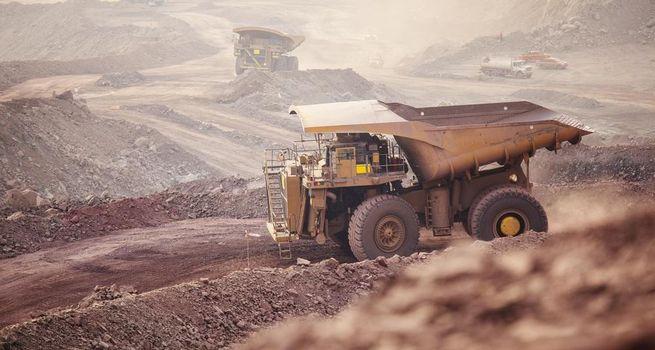
Key Highlights
• Orla Mining is a growth-focused gold producer anchored by the Camino Rojo operation in Mexico.
• The company has broadened its footprint through development and acquisition into the United States and beyond.
• A combination of low-cost oxide heap leaching and a deeper sulfide pipeline underpins the growth story.
• Exploration and reserve expansion are central to extending mine life and supporting valuation.
Growth is the word most often attached to Orla Mining Ltd. (NYSEAMERICAN:ORLA), and for good reason. In a sector where many producers fight simply to replace the ounces they mine, Orla has built a reputation as a company on the move, expanding production, broadening its geographic footprint and steadily enlarging its resource base. Its centerpiece, the Camino Rojo operation in Mexico, demonstrated that a relatively low-cost oxide heap-leach mine could be brought into production efficiently, generating cash flow to fund the next phase of expansion. From there, the company has pursued a deliberate strategy of growth through both organic development and acquisition. For investors, the central question is whether this momentum can be sustained: growth stories are exhilarating when they work, but they raise the bar for execution and invite scrutiny over capital discipline.
Company Overview
Orla Mining is a gold company built around a growth-through-development model. Its flagship asset, Camino Rojo, is located in Zacatecas State, Mexico, and began as an oxide heap-leach operation, a comparatively simple and low-cost mining method in which ore is stacked and irrigated with a leach solution to recover gold. Beneath the oxide deposit lies a larger sulfide resource that represents a longer-term, more capital-intensive expansion opportunity requiring different processing. Over time, Orla has extended its reach beyond Mexico, building a pipeline that has come to include development-stage and operating assets in the United States and exploration interests in other jurisdictions, reflecting a strategy of assembling a multi-asset, multi-jurisdiction portfolio. This combination of a producing, cash-generating base and a deeper development pipeline is the architecture of a company designed to grow.
The model gives Orla optionality but also commits it to ongoing capital deployment, permitting work and the operational challenge of running assets across different regulatory and geological settings.
Why the Stock Is in Focus
Orla Mining attracts attention because it sits in the relatively rare category of gold producers with a credible, multi-year growth trajectory. The market often rewards growth with premium valuations, particularly when a company can fund expansion from internally generated cash flow rather than relying heavily on dilutive equity. Orla's progression from a single oxide mine toward a broader portfolio has fueled expectations that production and cash flow can rise meaningfully over time. The strong gold price environment amplifies this appeal, since growing output into a high-price market compounds the cash-flow benefit. Investors are also drawn to the exploration upside embedded in the company's land positions, where additional discoveries could extend the growth runway. At the same time, growth invites scrutiny: each acquisition, development decision and permitting milestone is closely watched for evidence that management is allocating capital wisely.
The tension between exciting expansion and disciplined execution is precisely what keeps the stock in focus.
Gold, Silver and Precious-Metals Market Backdrop
The precious-metals backdrop has been favorable, with gold trading at elevated levels supported by macroeconomic uncertainty, geopolitical risk and persistent central-bank buying. Gold's traditional roles, as an inflation hedge, a store of value and a safe haven during periods of financial stress, have kept demand resilient. For a growth-focused producer like Orla, a high gold price does more than lift margins on existing output; it improves the economics of development projects, making expansions and pipeline assets more attractive and easier to finance. Silver and other precious metals generally track gold's broad direction, reflecting their shared monetary character, though silver carries additional industrial demand from sectors such as solar and electronics. The strength and stability of the precious-metals cycle is especially important for companies in growth mode, because rising metal prices can accelerate the timeline from development to cash flow.
A downturn, by contrast, would test capital discipline and could force difficult choices about which projects to advance.
Key Catalysts Driving Investor Interest
Several catalysts drive interest in Orla Mining. The first is continued strong performance and life extension at Camino Rojo, where sustained oxide production and progress toward unlocking the sulfide potential would support the growth narrative. The second is the successful integration and ramp-up of additional assets acquired or developed as the portfolio expands, demonstrating that the company can operate effectively across jurisdictions. Permitting milestones are a third catalyst, since advancing development projects depends on securing the necessary approvals. Exploration is a recurring driver: drilling that expands resources and reserves can extend mine lives and add new growth options. Beyond individual assets, investors watch consolidated production growth, all-in sustaining costs and free-cash-flow generation as evidence that the strategy is translating into financial results. Capital-allocation decisions, balancing reinvestment, acquisitions and balance-sheet strength, also shape sentiment.
For a growth company, each of these catalysts can meaningfully reset expectations about the scale Orla can ultimately achieve.
Financial and Valuation Considerations
Valuing a growth-stage gold producer like Orla involves familiar tools, price-to-net-asset-value, price-to-cash-flow, enterprise-value-to-EBITDA and free-cash-flow yield, but with an added emphasis on the trajectory of production and costs rather than a single snapshot. The market frequently assigns growth producers a premium multiple in anticipation of rising output, which means expectations are embedded in the share price and disappointments can be punished. A central financial consideration is the extent to which Orla can fund its expansion from operating cash flow, as heavy reliance on equity issuance dilutes existing holders, while excessive debt raises financial risk. The economics of the lower-cost oxide operations versus the more capital-intensive sulfide and development projects also shape the long-term cash-flow picture. These are qualitative observations; precise multiples and figures shift continuously with the gold price, currency movements and quarterly results.
The analytical core is that Orla's valuation reflects expectations of growth that must be validated through consistent execution.
Growth Outlook and Project Pipeline
Orla Mining's growth outlook rests on several pillars. At Camino Rojo, the priority is sustaining oxide production while advancing studies and development work on the deeper sulfide resource, which could substantially extend the mine's life and scale. Across the broader portfolio, the company aims to bring development assets toward production and to optimize any acquired operations, building a multi-asset producer with diversified cash flow. Exploration is woven throughout the strategy, with the goal of expanding resources at existing sites and testing prospective ground for new discoveries. The pipeline approach, combining near-term cash flow from producing assets with medium-term development and longer-term exploration, is designed to deliver a sustained growth runway rather than a single step-change. Execution is the linchpin: each project must be permitted, financed and operated successfully for the growth to materialize.
The diversity of the pipeline offers resilience, but it also demands disciplined prioritization so that capital flows to the highest-value opportunities.
Major Risks Investors Should Watch
Orla Mining carries risks common to growth-stage gold producers. Commodity-price risk is paramount: a sustained gold decline would compress margins and undermine the economics of development projects central to the growth story. Jurisdictional and permitting risk is significant, particularly given operations and projects spanning Mexico, the United States and other regions, each with distinct regulatory frameworks; permitting delays can stall growth. Execution risk attaches to developing and ramping up new assets, where cost overruns, schedule slippage or technical challenges can disappoint. The sulfide expansion at Camino Rojo, being more capital-intensive than oxide mining, introduces additional financing and technical considerations. Integration risk accompanies acquisitions, as combining operations and cultures is rarely seamless. Currency movements affect costs and reported results. There is also valuation risk: if the market has priced in substantial growth, any shortfall in delivery could lead to a sharp de-rating.
Finally, broader macro and equity-market sentiment can move the shares regardless of company-specific progress.
What Could Drive the Stock Next
The next phase for Orla Mining will be shaped by its ability to convert ambition into delivery. Consistent production growth, with new and existing assets performing in line with expectations, would validate the premium often attached to growth producers. Progress on the Camino Rojo sulfide opportunity and clarity on its economics could materially expand the long-term outlook. Permitting milestones that unlock development projects, and exploration results that grow resources, would reinforce the growth runway. On the macro side, the gold price remains a powerful driver: continued strength magnifies the value of rising output, while weakness would pressure both margins and project economics. Capital-allocation discipline, funding growth without excessive dilution or leverage, will be closely scrutinized as a signal of management's judgment. Conversely, permitting setbacks, cost overruns, integration difficulties or guidance disappointments could quickly reset expectations.
For Orla, the combination of execution and a supportive metals cycle is what will determine momentum.
Conclusion
Orla Mining has earned its reputation as one of the gold sector's more dynamic growth stories, pairing a cash-generating oxide operation at Camino Rojo with an expanding pipeline of development and exploration assets. The appeal is clear: in an industry where standing still often means shrinking, Orla has positioned itself to grow. Yet growth carries its own demands. The market's willingness to pay a premium for expansion means expectations are high, and the path forward runs through permitting offices, development sites and acquisition integrations, each with its own risks. Whether the momentum endures will depend on disciplined execution, prudent capital allocation and a cooperative gold market. For those studying the growth end of the gold spectrum, Orla offers a rich example of how ambition, execution and the metals cycle must align to keep a fast-growing producer moving forward.

 Jun 29, 2026
_06_29_2026_23_45_58_101524.jpg)



 Please wait processing your request...