
 CA
 NZ
 UK
 AU
 IND

 US

 Share
 X (Formerly Twitter)
 Whatsapp
 Facebook
 LinkedIn
 Telegram
 Email This Article
 Copy Link
 Summarize with AI
 Chat GPT
 Perplexity
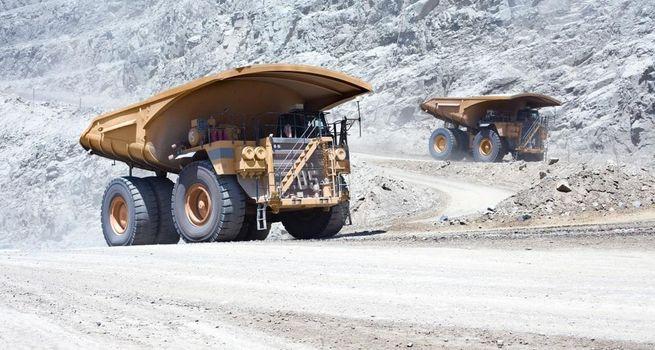
Copper Snaps Two-Day Rebound, Falls Toward $6.10 Per Pound
Copper futures declined toward $6.10 per pound on Monday, ending a brief two-day rebound as renewed Federal Reserve tightening concerns overwhelmed the tentative buying interest that had emerged following geopolitical developments in the Middle East. The metal's reversal reflects the broader industrial metals complex response to Fed Chair Kevin Warsh's reaffirmation of the central bank's anti-inflation commitment — a message that investors interpreted as signalling higher-for-longer interest rates that would dampen global industrial activity and metals demand.
Fed Chair Warsh Reinforces Hawkish Monetary Policy Stance
Federal Reserve Chair Kevin Warsh reiterated the central bank's commitment to bringing inflation under control, reinforcing the hawkish tone he established at his debut appearance earlier in June that had already prompted markets to scale back expectations for US rate cuts during 2026. Warsh's messaging aligns with the broader Fed tightening narrative: three rate hikes are now priced into markets for 2026, with a 60% probability of action in September. Higher interest rates reduce the attractiveness of credit-financed industrial activity — a meaningful headwind for copper demand from construction, manufacturing, and infrastructure sectors.
Goldman Sachs: Iran Conflict Could Structurally Boost Metals Demand
Goldman Sachs offered a strikingly contrarian perspective on the Iran conflict's implications for industrial metals, arguing that the geopolitical disruption could ultimately be positive for copper and broader metals demand. The investment bank cited four demand accelerators: increased EV adoption as energy security concerns drive electrification policy; further renewable energy investment as nations seek alternatives to fossil fuel import dependence; higher defense spending that requires copper in weapons systems, communications infrastructure, and military vehicles; and intensifying AI competition driving data center construction that is heavily copper-intensive in power and network infrastructure.
US Jobs Data: The Week's Most Important Macro Signal for Copper
Copper traders are positioning cautiously ahead of the US monthly non-farm payrolls report due later in the week, which will be a critical input for assessing the Federal Reserve's tightening timeline and, by extension, the global industrial activity outlook. A strong jobs number would reinforce the hawkish Fed narrative and likely extend copper's decline toward the $5.90–$6.00 support zone. A disappointing payrolls print could soften rate hike expectations and provide copper with a technical relief bounce, particularly given the oversold conditions generated by recent declines.
Copper Price Outlook: Cyclical Rate Headwinds vs. Structural Demand Drivers
Copper's investment case in 2026 requires distinguishing between cyclical headwinds — Federal Reserve tightening suppressing near-term industrial demand — and structural demand drivers that Goldman Sachs correctly identifies as powerful multi-year forces. EV penetration, renewable energy infrastructure buildout, AI data center construction, and defense spending all require copper at scale and are largely driven by policy mandates and security imperatives that are less sensitive to interest rate levels than conventional construction or consumer electronics demand. Long-term copper bulls argue that the current Fed-driven price weakness represents a structural accumulation opportunity ahead of the next demand cycle acceleration.
Disclaimer: The information in this article is for informational and educational purposes only and does not constitute financial, investment, or trading advice. Past performance is not indicative of future results. Please consult a qualified financial advisor before making any investment decisions.


 Nov 16, 2026





 Please wait processing your request...