
 CA
 NZ
 UK
 AU
 IND

 US

 Share
 X (Formerly Twitter)
 Whatsapp
 Facebook
 LinkedIn
 Telegram
 Email This Article
 Copy Link
 Summarize with AI
 Chat GPT
 Perplexity
Key Highlights
- Capstone Copper is a copper producer with operations focused across the Americas.
- Copper sits at the heart of the electrification and industrial metals theme, giving producers leverage to long-run demand narratives.
- As an established producer rather than an explorer, the company offers exposure to copper output, costs, and growth projects.
- Copper-price strength, production trends, and cost discipline are among the factors market participants may monitor.
Copper has quietly become one of the most talked-about metals of the decade. It is the conductor that wires homes, vehicles, grids, and data centres, and demand narratives around electrification have turned it into a centrepiece of the industrial metals theme.
Within that landscape, producers with real operating assets occupy a particular niche. They are not lottery-ticket explorers; they generate output, manage costs, and pursue growth, which means their fortunes track the copper price and operational execution more directly.
Capstone Copper Corp. (TSX:CS) is one such name. As an Americas-focused copper producer, it gives market participants exposure to the red metal through a company that mines and sells it rather than merely searching for it.
Company Overview
Capstone Copper is a copper-focused mining company with a footprint across the Americas. Its identity, as the name plainly states, is built around copper as the primary commodity.
The company trades on the Toronto Stock Exchange under the ticker CS. That listing places it among the cohort of North American-listed mining stocks that investors often scan when looking for base-metals exposure.
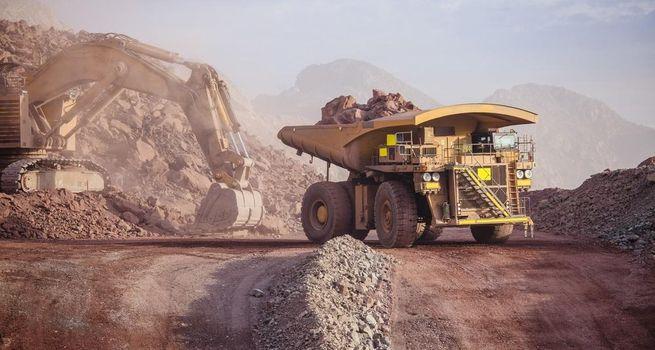
As a producer, Capstone Copper operates mining assets that generate copper output, distinguishing it from pure exploration companies that have yet to reach production. This matters because producers are exposed to the realities of operating mines: grades, throughput, recoveries, and costs.
Copper producers typically also carry development and expansion potential. Growth can come from expanding existing operations, advancing project pipelines, or improving the efficiency of current assets, and these levers can shape the longer-term story.
Where specific operational details are uncertain, it is wiser to keep descriptions general. The durable points are that Capstone Copper is a TSX-listed, Americas-focused copper producer operating within the broader base-metals mining industry.
Because copper is so central to the electrification narrative, a focused producer like this is often viewed as a relatively direct way to express a view on the metal. That focus is part of the appeal and part of the risk.
Sector and Market Backdrop
Copper’s market backdrop is one of the more compelling in the materials world. The metal is essential to electrical and industrial applications, and demand is tied to construction, manufacturing, infrastructure, and increasingly the energy transition.
Electrification is the structural driver most often cited. Electric vehicles, renewable power, grid upgrades, and growing electricity consumption all tend to require significant amounts of copper, supporting a long-run demand narrative.
On the supply side, bringing new copper production online is difficult. Major deposits take years to develop, face permitting and environmental hurdles, and require large capital commitments, which can constrain how quickly supply responds to higher prices.
That combination - resilient demand and constrained supply - is the heart of the bullish copper thesis that many investors follow. It is also why copper is sometimes described as a barometer for the global economy.
Of course, copper is cyclical. Prices swing with global growth expectations, manufacturing activity, and macro sentiment, and downturns can pressure the whole sector regardless of individual company quality.
For watchlist purposes, copper stocks sit alongside other industrial metals stocks and US basic materials stocks. When the metals theme is in favour, producers across the group often attract interest together.
Could Capstone Copper benefit from metals-market momentum?
When copper prices rise, producers with meaningful output tend to see the most direct earnings leverage. Higher realised prices on existing production can flow through to margins, which is why producers are often favoured during rallies.
Capstone Copper, as a focused copper producer, fits that profile. It is positioned to participate in copper-market momentum should the next metals rally materialise, though the degree of participation depends on its specific operations and cost structure.
Momentum can also be a sentiment phenomenon. As capital rotates toward hard assets and industrial metals, even before fundamentals fully confirm, producers can re-rate on expectations of stronger pricing ahead.
That said, momentum is a double-edged sword. The same leverage that amplifies gains in a rally can amplify pain in a downturn, which is a defining feature of producer equities.
Why is Capstone Copper Stock in Focus?
The most fundamental reason is the metal itself. Copper’s centrality to electrification keeps it near the top of many investors’ lists, and a focused producer naturally inherits that attention.
A second reason is the producer profile. Investors seeking copper exposure without the binary risk of exploration sometimes prefer established producers, where the question is more about execution and pricing than about whether ore exists at all.
The Americas focus adds another dimension. Operating in the Western Hemisphere can be attractive from a jurisdiction and logistics standpoint, and regional concentration shapes both the opportunity set and the risk profile.
Broader rotations into industrial metals stocks can also bring names like CS into focus. When the macro narrative tilts toward reflation, infrastructure, or commodity strength, copper producers often feature in the conversation.
As ever, being in focus reflects attention and narrative, not any assurance about results. Sentiment toward a sector can shift quickly with the macro backdrop.
Key Growth Drivers
The copper price is the most obvious driver. Because producers sell what they mine, sustained strength in copper pricing can meaningfully support revenue and margins, while weakness does the opposite.
Production trends are a second key driver. Growth in output - whether through expansions, ramp-ups, or operational improvements - can increase the volume of copper the company sells, compounding the effect of favourable prices.
Cost performance is just as important. In mining, the spread between realised prices and the cost of production determines profitability, so disciplined cost management and efficiency gains can be powerful drivers.
Project pipeline and growth options matter over the longer term. Advancing development projects or unlocking expansion potential can extend mine life and raise future production, shaping the multi-year story.
Balance-sheet strength underpins all of it. A solid financial position can give a producer flexibility to invest through cycles, weather downturns, and pursue opportunities, which the market often rewards.
Finally, the macro environment for industrial metals provides the backdrop. Global growth expectations, manufacturing data, and the pace of electrification can all influence how copper producers are valued.
Financial and Operational Factors to Watch
For an established producer, the financial lens centres on profitability and cash generation. Market participants may monitor margins, cash flow, and how these respond to changes in the copper price.
Cost metrics are particularly important in mining. Investors often watch unit production costs and how they trend, since cost position relative to peers can determine resilience in weaker price environments.
Trends in copper output, and how actual performance compares with the company’s stated plans, can shape expectations qualitatively.
Capital allocation is another area to observe. How a producer balances reinvestment in growth, debt management, and returns to shareholders can influence both risk and the long-term value narrative.
Balance-sheet health - leverage, liquidity, and financial flexibility - is a recurring focus for cyclical producers. A strong position can help a company navigate the inevitable swings in commodity markets.
Risks and Watchpoints
Commodity-price risk is the dominant one. Copper prices are cyclical and can fall sharply on weaker global growth or shifting sentiment, directly pressuring producer revenues and margins.
Operational risk is inherent to mining. Issues such as lower grades, equipment problems, weather events, or unexpected disruptions can affect output and costs at any given operation.
Cost inflation is a persistent watchpoint. Rising energy, labour, equipment, or input costs can compress margins, particularly if copper prices do not rise to offset them.
Jurisdictional and regulatory risk accompanies any mining footprint. Even within the Americas, permitting, taxation, community relations, and policy changes can influence operations and economics.
Capital-intensity and execution risk apply to growth projects. Expansions and developments can face delays, cost overruns, or technical challenges, which can weigh on expected returns.
Finally, the cyclical and leveraged nature of producer equities means volatility. The same exposure that offers upside in a copper rally can produce significant downside in a downturn, so position-level risk is real.
Concentration risk also deserves a mention. A copper-focused producer offers less diversification than a multi-metal major, so its results are more tightly bound to a single commodity’s fortunes. That focus can be a strength in a copper bull market and a weakness when the metal struggles.
Currency and input dynamics add another layer. Operations spread across the Americas can be exposed to local currency movements and regional cost pressures, both of which can influence reported margins even when the copper price itself is steady.
What Should Investors Watch Next?
The copper price trajectory is the headline thing to monitor. Trends in pricing, inventories, and supply-demand commentary can shape sentiment toward the entire copper-producer group.
Company updates on production and costs are the next layer.
Macro indicators tied to industrial activity - manufacturing data, infrastructure spending, and the pace of electrification - are also worth tracking, since they feed the underlying demand story for copper.
Sector-level sentiment toward US mining stocks and industrial metals stocks can matter too. Rotations into or out of the materials complex can carry producers along regardless of company-specific news.
Project and growth milestones are worth watching over a longer horizon. Updates on expansions, development assets, or efficiency initiatives can reshape the multi-year production and cost outlook, which often matters as much to long-term investors as near-term pricing.
It can also be useful to follow how peers in the copper-producer group are trading and reporting. Relative performance across the cohort can highlight whether a given name is moving on company-specific factors or simply riding broader copper-market currents.
They help frame the risk-reward picture rather than predict where the stock will go.
Outlook
The outlook for Capstone Copper is closely linked to the outlook for copper itself. If the structural demand narrative around electrification continues to play out alongside constrained supply, focused producers could remain in the spotlight.
In a strengthening metals environment, a copper producer with growing output and disciplined costs could be well placed to participate. That potential leverage is the essence of the “ride the next rally” framing.
The flip side is equally real. In a downturn, the same leverage works against producers, and copper’s cyclicality means the path is unlikely to be smooth in either direction.
It is also worth remembering that timing in commodity markets is notoriously difficult. Even when a long-run thesis appears sound, the path can include extended periods where prices and producer equities move sideways or lower before any rally arrives.
A balanced view treats Capstone Copper as a focused way to express a copper thesis - attractive to those constructive on the metal, but carrying the full set of cyclical, operational, and execution risks.
Conclusion
Capstone Copper offers direct exposure to a metal that sits at the centre of the industrial and electrification story. As an Americas-focused producer, it participates in copper output, costs, and growth in a way that explorers cannot.
That makes it a natural name to consider when thinking about copper stocks and the broader US mining and industrial metals theme. Its fortunes are tied closely to copper pricing and to its own operational execution.
For market participants weighing how to position around a potential metals rally, the company is worth understanding on its own merits. The sensible approach is careful research into its operations, costs, and balance sheet, not reliance on a single narrative.
Whether or not the next rally arrives on schedule, Capstone Copper illustrates how a focused producer can serve as a lens on the copper market itself.


 Nov 02, 2026





 Please wait processing your request...