
 CA
 NZ
 UK
 AU
 IND

 US

 Share
 X (Formerly Twitter)
 Whatsapp
 Facebook
 LinkedIn
 Telegram
 Email This Article
 Copy Link
 Summarize with AI
 Chat GPT
 Perplexity

Key Highlights
- Demand for the proposed Anthropic (NASDAQ:ANT) offering is reportedly about six times the shares on offer, with a USD 70 to USD 78 range, pricing on November 18 and trading on November 19.
- vVARDIS priced its IPO at USD 18.00 and Windward Bio at USD 17.00 on November 12, 2026, each raising about USD 175 million from the IPO shares.
- Accelevation Holdings posted a 364% jump in bookings in its first quarter since its October IPO.
- OpenAI reportedly raised USD 15 billion at a USD 1.25 trillion valuation, about half of the USD 30 billion it first sought, a test for partner Microsoft.
1. Anthropic (NASDAQ:ANT)
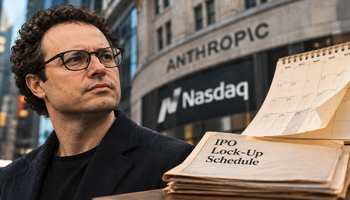
Anthropic (NASDAQ:ANT) is the biggest test of the week. Demand for the proposed offering is reportedly about six times the number of shares on offer, a media report on November 12 said, and the company has not confirmed that figure. The marketed range is USD 70 to USD 78 a share, with pricing expected on November 18 and first trading on November 19 under the proposed ANT ticker. At a valuation well above USD 1 trillion, the listing would be the largest initial public offering on record. An oversubscription of about six times gives bankers room to raise the price, increase the size or allocate more selectively to long term holders, though early books often include inflated orders from investors who expect to be cut back. Market talk has turned to whether the range could be raised, but no revision has been announced. The book is building in a difficult week: Nvidia lost its chief executive, Bitcoin fell below USD 70,000 and the 10 year Treasury Yield rose back above 5%. A lawsuit filed in San Francisco by nonprofit groups seeking to halt frontier AI development names Anthropic among the defendants, a legal risk the prospectus may need to address. Strong pricing would reopen the window for other large technology listings, while a weak debut could chill the new issue market into year end.
2. vVARDIS (NYSE:VVVV)
vVARDIS (NYSE:VVVV) priced 9,722,223 Class A ordinary shares at USD 18.00 per share on November 12, raising about USD 175 million before fees by calculation, and was set to begin trading on the New York Stock Exchange on November 13. Closing is expected on or about November 16, and underwriters hold a 30 day option to buy up to 1,458,333 additional shares. The company sells Curodont dental products, so it arrives with a commercial Business rather than only a pipeline. Its debut is a test of whether investors will back smaller, specialised healthcare listings in a week dominated by a mega offering and by volatile rates. The Russell 2000 fell 1.66% on November 12 as short term yields jumped, which makes the timing harder for smaller issuers. A steady opening would suggest that investors are still selective buyers of new healthcare stories with real products. The over allotment option also gives a signal: if the shares trade well above the offering price, underwriters typically exercise it, adding Supply that the market has shown it can absorb. For long term holders, the evidence that matters will come from adoption rates, pricing and the cost of building a sales presence in the first quarters as a listed company.
3. Windward Bio (NASDAQ:WWB)
Windward Bio (NASDAQ:WWB) priced 10,294,117 common shares at USD 17.00 on November 12, with trading set to begin on Nasdaq on November 13. Including a concurrent private placement, expected gross proceeds are USD 225.0 million before fees, and the IPO alone is worth about USD 175 million by calculation. Sanofi will buy shares and pre funded warrants for USD 50.0 million in the private placement, which closes alongside the IPO on November 16. Basel based Windward develops ultra long acting antibody medicines for serious respiratory and dermatologic diseases. The Sanofi commitment is the most important signal in the deal, because a strategic investor brings scientific validation and reduces the amount the public market needs to absorb. For the IPO market, a clinical stage biotech pricing a deal of this size shows that specialist investors are still willing to fund early Drug Development when there is a credible partner. The test now is the first day of trading and how the shares hold up once the deal closes. Over the longer term, early clinical data will determine whether the company can justify its valuation. Lock up expiries in the months after listing are a typical source of pressure for new healthcare issues.
4. Accelevation Holdings (ACCV)
Accelevation Holdings (ACCV) offered the first post IPO test of the season with its Quarterly Report after the close on November 12, the first since its October 2026 listing. Revenue rose 65.9% to USD 202.2 million, above the USD 191.9 million estimate, and bookings jumped 364% to USD 768.9 million, a book to bill ratio of 3.8. Backlog stood at about USD 1.7 billion, adjusted EBITDA rose 30.8% to USD 37.7 million and free Cash Flow was USD 55.0 million. Guidance for fiscal 2026 calls for revenue of USD 905 million to USD 915 million and adjusted EBITDA of USD 155 million to USD 165 million. New issues are usually judged on whether their first guidance proves conservative, and the large backlog gives management room to beat it. Sceptics will point to the narrower adjusted Margin and lower GAAP profit, along with the costs of being a public company. The exchange listing was not verified in the research, so the ticker is shown without a prefix. For the IPO market, a strong first report from a recent listing helps investors trust the next wave of offerings, because it shows that growth promised in a prospectus can be delivered. Lock up expiries and repeatability of the bookings surge are the risks.
5. Microsoft (NASDAQ:MSFT)
Microsoft (NASDAQ:MSFT) is exposed to the private market test through its partner OpenAI, which reportedly raised USD 15 billion at a valuation of USD 1.25 trillion, a report on November 12 said. That is about half of the USD 30 billion OpenAI first sought, and below the USD 1.4 trillion valuation it had pitched, though about 47% above the USD 852 billion set in March, when it raised USD 122 billion. OpenAI's third quarter revenue was about USD 10 billion, up nearly 50% from the prior quarter, with an operating loss of about USD 10.9 billion, all reported figures. An IPO is expected in 2027. The smaller raise suggests investors are becoming more price sensitive at the top of the AI market, even as Anthropic's book appears strong. ByteDance's reported plan to buy back up to USD 6 billion of shares at a valuation of about USD 400 billion adds another private market marker. For Microsoft, OpenAI's growth supports demand for its cloud, but competition is intensifying, and the shares had been pressured by new office tools from Anthropic. A long outage of Teams and Outlook that began on November 12 added a second headline. Microsoft is therefore exposed to both the upside of the AI build out and the competitive pressure.
Where Things Stand
Anthropic's reported six times oversubscription says the most about investor appetite among the top 5 IPO and private market tests this week, though the real verdict comes at pricing on November 18. OpenAI's smaller than planned raise shows more price discipline at the top end, which matters for Microsoft. vVARDIS and Windward Bio test demand for healthcare listings, and Accelevation shows that a recent issuer can deliver. All of these deals are unfolding as yields rise and the Nvidia story weighs on technology sentiment.

 Nov 27, 2026





 Please wait processing your request...